How Lightning Can Damage a Home Without a Direct Strike
Watching a lightning storm is captivating. But, your sense of awe can rapidly dissipate once you hear a strike close to your home. Can Lightning damage your home, even when it doesn’t create a direct strike?
Power surges and nearby strikes can impact the electrical system and appliances in your home, and you could notice the effects immediately or weeks later. Knowing what to watch out for helps you be ready to reach out to our technicians at the first sign of storm damage.
A Quick Overview of How Nearby Lightning Strikes Impact Homes
Storms in the Fort Myers, Florida area are often swift and powerful. A direct strike to your home will often cause instantly noticeable effects that could include house fires and power outages.
But, nearby strikes may create electrical damage that isn’t so obvious during the immediate impact. When lightning strikes near your home, it can cause electrical currents to flow through underground wires. Once this happens, you may notice flickering lights and non-functioning appliances that indicate possible extensive electrical damage.
Common Types of Lightning Storm Damage
Indirect lightning strikes create damage that can be immediately visible or hidden behind your home’s walls. Knowing the types of lightning damage you might notice helps you prep for calling our friendly electricians.
Structural Damage
Lightning strikes generate intense heat that often leaves behind scorch marks or even starts fires. While this is more likely to happen with a direct strike, you could still see structural damage to your car, sheds or pool areas that let you know electrical damage might be happening on your property.
Malfunctioning Electrical Systems
A major power surge could knock all of the power out in your home. Or, you might notice that a few rooms or outlets lack electricity. A tripped circuit breaker could also leave you wondering why your home’s clothes dryer or other appliances won’t turn on.
Hidden or Slowly Developing Electrical Damage
A shock wave or power surge from the lightning hit could also knock the wiring loose or cause slight melting that doesn’t immediately show up. But, changes that occur over time could cause electrical problems that occur days to weeks in the future.
How to Safely Check for Lightning Damage After a Storm
Unless you notice signs of a fire or burning in your home, it’s best to wait until the storm passes to go outside and do an investigation. Depending on the severity of the damage you suspect, you might also need to shut off power to your home to minimize the risk of harm.
Respond Quickly to Burning Odors or Visible Sparks
A nearby strike can light vegetation and other materials on fire. Or, the surging electricity through your home’s wiring could also cause outlets to arc or spark. Taking emergency action by evacuating your home and shutting off the power can preserve your safety.
Look for Signs of a Nearby Strike Outdoors
Checking for signs of a lightning hit outside is helpful, especially if you heard a loud clap of thunder or saw a bolt during the storm. Lightning often leaves scorch marks on the ground or surrounding building materials that could help indicate why electrical issues are happening.
Inspect the Circuit Panel
Make sure that your hands and the nearby building materials are dry before you touch the electrical panel. Once you look inside, take note of any tripped breakers, burn marks or other unusual issues with the panel.
Although you can reset a tripped breaker once, you’ll need to call for help with our technicians if you notice any signs of damage to the wiring. Arranging for an electrical inspection is also important if the circuit trips again.
Avoid Touching Electrical Components
If you notice wiring that is knocked loose in the panel or anywhere else in your home, then avoid trying to fix it yourself. Even with the power shut off, some wiring in your home could still contain electricity. Having a professional take a look protects you from a dangerous electrical shock.
Check the Appearance of Outlets
In your home, you might notice outlets that have brown or yellowish scorch marks around the plate. Or, you could feel the outside of the outlet and the surrounding wall to check for warmth. Either of these issues could indicate hidden damage to the interior portion of the electrical system.
Make Sure the Appliances Work Properly
A major power surge could fry the electronics in home appliances. Or, the problem could exist within the entire electrical system of your home. Either way, it usually takes a professional to figure out where underlying problems exist.
Monitor for Signs of Hidden Electrical Damage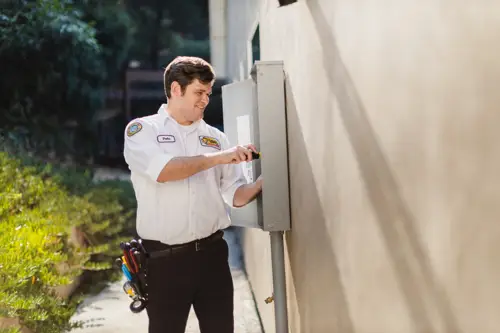
In the days and weeks following the storm, you’ll want to watch for these signs that hidden damage is still impacting your home.
- Flicking lights
- Burning odors
- GFCI/AFCI devices are malfunctioning
- Unusual appliance issues
- Outlets no longer working
- Breakers continuing to trip
How Electricians Evaluate Homes for Electrical Problems
When our electricians visit Florida homes for lightning damage inspections, we typically begin with an electrical panel inspection. We may then proceed with these other types of testing to determine the safety and functionality of the system.
- Surge protector testing
- Checks of the circuit integrity
- Code compliance reviews
- Grounding and bonding verification
- General assessment of the appliances and indoor outlets
Frequently Asked Questions
Can lightning damage my home without hitting it directly?
Yes. Nearby lightning strikes can send electrical currents through underground wiring, causing power surges that damage appliances, trip circuit breakers, and harm your home’s electrical system even if the bolt never touches your property.
How soon will I notice lightning damage?
Sometimes immediately, as flickering lights, dead outlets, or a tripped breaker. But damage can also develop gradually over days or weeks, appearing as burning odors, malfunctioning GFCI devices, or appliances that stop working well after the storm.
Is it safe to check my home for damage right after a storm?
Wait until the storm fully passes before going outside. If you smell burning or see sparks, evacuate and shut off power immediately. When inspecting your electrical panel, make sure your hands and the surrounding area are completely dry first.
Why should I schedule a professional inspection even if everything seems fine?
Hidden wiring damage can take time to surface and may create serious hazards like electrical fires. A professional inspection checks surge protectors, circuit integrity, grounding, and appliances to catch problems before they become emergencies.
Schedule an Electrical System Inspection After a Lightning Storm
The damage from lightning can cause electrical problems in your home long after the storm passes. Noticing tripped breakers, flickering lights and other warning signs lets you know to give us a call.
After a storm, don’t put up with any malarky, and call Mister Sparky with all of your electrical concerns. Our friendly technicians are familiar with how storms damage electrical systems in Fort Myers homes and the surrounding communities. Request an electrical inspection today, and you can sleep better tonight knowing that your home’s system is safe and secure.